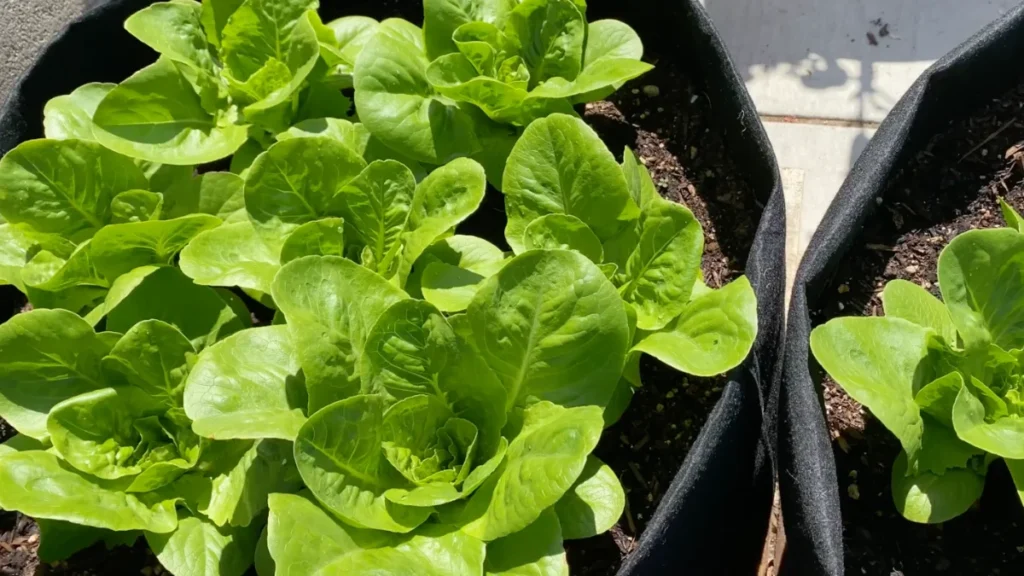
Overview
Growing lettuce on an apartment balcony often sounds simple until summer arrives. The days get hotter, pots dry out faster, and lettuce that once looked healthy suddenly wilts, stretches, or turns bitter. Many balcony gardeners begin to wonder can lettuce grow on balconies in summer heat, especially in small spaces surrounded by concrete?
Lettuce can grow on balconies in summer heat, but success depends far more on temperature control, light exposure, and moisture stability than on the lettuce variety itself. When heat builds up around pots and leaves, lettuce reacts quickly by slowing growth, bolting, or becoming bitter. Managing the balcony environment is usually more important than changing seeds.
When these conditions are not managed, lettuce often fails within weeks. Leaves may become thin, floppy, or taste unpleasant, which leads many gardeners to give up on summer growing altogether.
This article explains how lettuce behaves on balconies during hot weather, why summer heat causes problems, and what actually helps lettuce continue growing in real apartment conditions.
Table of Contents
Understanding the Balcony Reality in Summer
Balconies heat up differently from gardens. Hard surfaces like tiles, concrete walls, and railings reflect and trap heat throughout the day. Even when air temperatures seem reasonable, the area around pots can become much hotter.
Sun exposure is also uneven. Some balconies receive intense afternoon sun, while others get filtered or reflected light that still raises temperatures. Wind can dry pots quickly, while enclosed balconies may trap heat and humidity.
Space and weight limits also affect how much soil can be used, which directly impacts how well lettuce roots stay cool and hydrated. These combined factors explain why lettuce struggles more on balconies than in open garden beds during summer.
Why Summer Heat Is Hard on Lettuce
Lettuce is a cool-season plant by nature. It grows best when temperatures are mild and soil stays evenly moist. On balconies, summer heat pushes lettuce beyond its comfort zone faster than many people expect.
When temperatures rise, lettuce focuses on survival instead of leaf growth. Roots struggle to stay cool, moisture evaporates quickly, and the plant may switch into seed-producing mode, known as bolting. Once this happens, leaf quality declines rapidly.
Heat stress does not usually come from one hot day. It builds over time as pots warm up daily and never fully cool overnight, especially on balconies surrounded by buildings.
Can Lettuce Survive High Temperatures on a Balcony?
Lettuce can survive summer heat on a balcony, but only within limits. Most lettuce varieties struggle once temperatures stay consistently high, particularly when daytime heat combines with warm nights.
On balconies, problems often begin earlier than expected because pots heat up faster than garden soil. Even heat-tolerant lettuce types still need protection from direct afternoon sun and hot surfaces.
Survival is possible, but steady growth requires careful attention to shade, watering, and container setup rather than relying on heat tolerance alone.
How Balcony Conditions Affect Lettuce Growth
Sun Exposure and Heat Build-Up
Direct afternoon sun is one of the biggest challenges for summer lettuce. Even a few hours of strong sunlight can overheat leaves and soil. Morning sun with afternoon shade is far more forgiving for lettuce on balconies.
Reflected heat from walls and railings can be just as damaging as direct sun. Light bouncing onto pots raises temperatures even when plants appear shaded.
Container Size and Soil Temperature
Small pots heat up quickly and cool down slowly. When soil stays warm, lettuce roots struggle to absorb water properly. Larger containers buffer temperature swings and hold moisture longer, which helps lettuce cope with heat.
Shallow containers also dry faster, increasing stress during hot days. Depth matters more in summer than in cooler seasons.
Water Loss and Stress
Heat causes rapid water loss through both soil evaporation and leaf transpiration. On balconies, wind and sun together can dry pots within hours. Lettuce reacts to water stress quickly by wilting and slowing growth.
Irregular moisture is one of the main triggers for bitterness and bolting in summer-grown lettuce.
Practical Ways Lettuce Is Grown on Hot Balconies
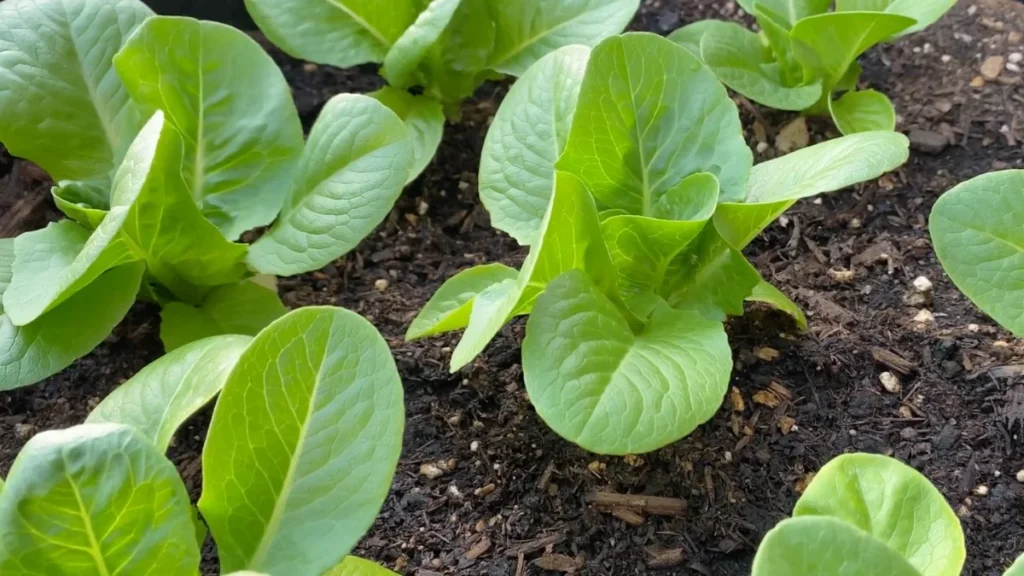
Lettuce grown successfully on hot balconies is usually protected from peak heat rather than exposed to it. The goal is not to eliminate heat entirely, but to reduce how much stress builds up each day.
Many balcony gardeners grow lettuce in locations that receive gentle morning light and shade later in the day. Others use physical barriers like nearby plants, balcony screens, or light shade cloth to reduce heat intensity.
Containers with more soil volume help stabilise moisture and temperature. Some growers also stagger planting times so lettuce matures before the hottest part of summer arrives.
Common Mistakes That Cause Lettuce to Fail in Summer
Lettuce often fails on balconies because small issues combine into bigger stress over time.
- Placing pots in full afternoon sun
- Using very small or shallow containers
- Letting soil dry out completely between watering
- Growing lettuce too close to hot walls or railings
- Expecting lettuce to behave the same in summer as in spring
These mistakes are common and usually come from treating lettuce like a low-maintenance plant when conditions are actually harsh.
Is Lettuce Still Worth Growing on a Balcony in Summer?
For many people, lettuce is worth growing in summer if expectations are realistic. Growth may be slower, leaves may be smaller, and harvests may be lighter than in cooler months.
However, even partial success can provide fresh leaves during a season when many greens struggle. Balcony lettuce often works best as a short-term or protected crop rather than a long-lasting one in peak heat.
Some gardeners choose to grow lettuce in waves, accepting that not every planting will thrive fully during the hottest weeks.
Balcony Haven Note
Having grown lettuce for as long as I can remember, I’ve noticed that lettuce is affected by summer heat more by the balcony environment than by the plant itself. Heat builds up quickly around walls and hard surfaces, and lettuce reacts fast. This can vary between balconies, but observing how summer heat moves across the space has been more useful than changing lettuce varieties.
If summer heat is affecting your lettuce, it often affects other leafy plants too. You may find it helpful to read Why do plants wilt in the afternoon sun?, which explains how heat stress develops on balconies and why wilting does not always mean a plant needs more water.
Frequently Asked Questions
Can I grow lettuce on my balcony in summer?
Yes, lettuce can grow on a balcony in summer, but it needs protection from strong heat. Shade, stable moisture, and cooler soil conditions are more important than the lettuce variety itself.
What temperature is too hot for lettuce?
Lettuce begins to struggle when temperatures stay high for long periods, especially when combined with warm nights. On balconies, soil temperature often becomes the limiting factor before air temperature does.
How do people grow lettuce in very hot weather?
Most people reduce heat stress rather than expose lettuce directly to it. This includes using shade, larger containers, and careful placement away from heat-reflecting surfaces.
Does lettuce taste bitter when grown in heat?
Yes, heat stress often causes lettuce to become bitter. This usually happens when plants experience repeated drying or prolonged high temperatures.
Final Thoughts
Lettuce can grow on balconies in summer heat, but it behaves very differently than it does in cooler seasons. Heat builds faster, soil dries quicker, and plants respond more sharply to stress.
Understanding how your balcony holds heat, where sunlight falls, and how containers behave makes a bigger difference than choosing the “right” lettuce variety. Small adjustments in placement and expectations often lead to better results than trying to fight summer conditions.
Every balcony is different. Paying attention to how your space responds over time helps you decide whether lettuce fits your summer setup or works better during cooler months.
Leave a Reply