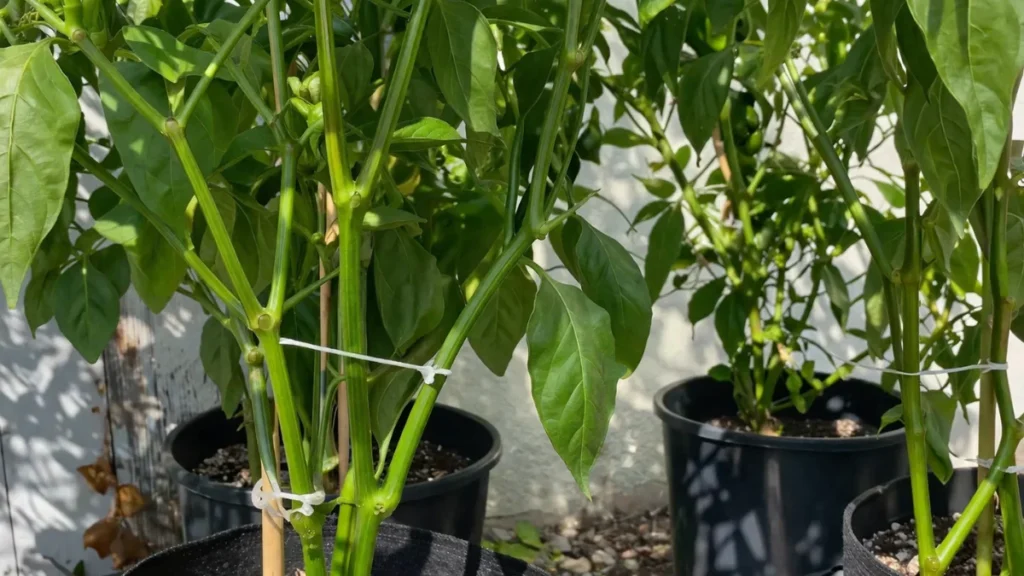
When my plant is not flowering on a balcony, it can feel surprisingly frustrating, especially when the leaves look healthy and the stems seem strong. Everything may appear to be growing well, yet no buds ever appear. On balconies, this happens more often than many gardeners expect because flowering depends on precise environmental signals, and small-space growing conditions can quietly interrupt them.
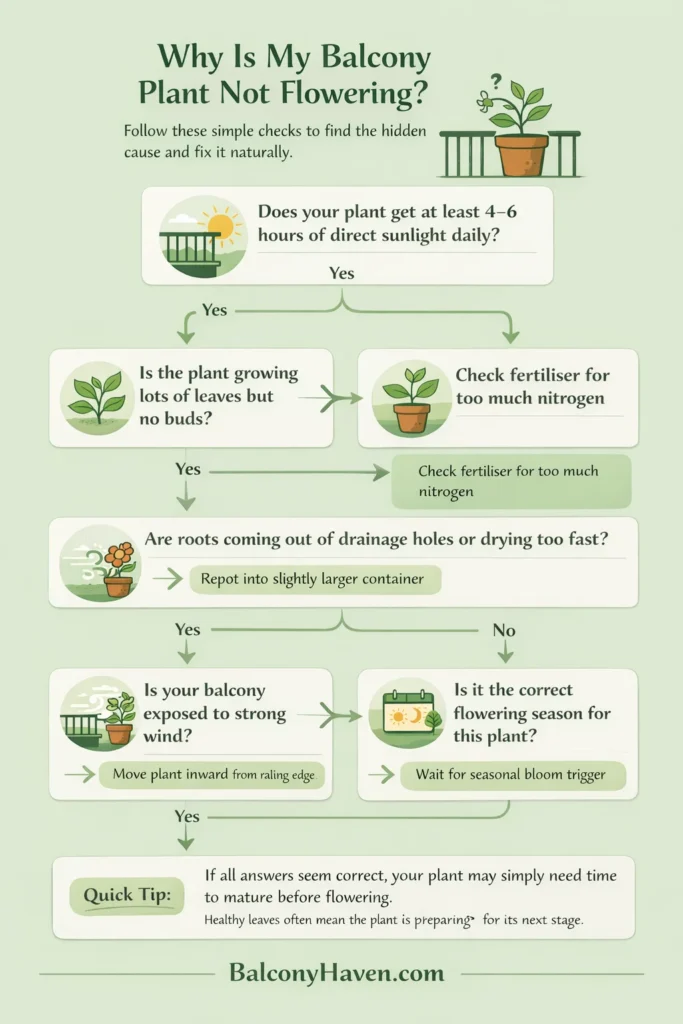
If your plant is not flowering, first check that it receives enough direct sunlight, is not overcrowded in its pot, and is not being overfed with nitrogen-rich fertiliser. Then look for hidden stress factors such as strong wind exposure or seasonal timing, because correcting these small balcony imbalances is often enough to restart flowering naturally.
This happens because balcony plants live in a much tighter environment than garden-grown plants. In open soil, roots can spread wider, moisture stays more stable, and natural airflow is gentler. On a balcony, every factor — light angle, pot size, feeding strength, and airflow — is more restricted, so even small imbalances can delay flowering for weeks or months.
Table of Contents
Why Flowering Problems Happen More Often on Balconies
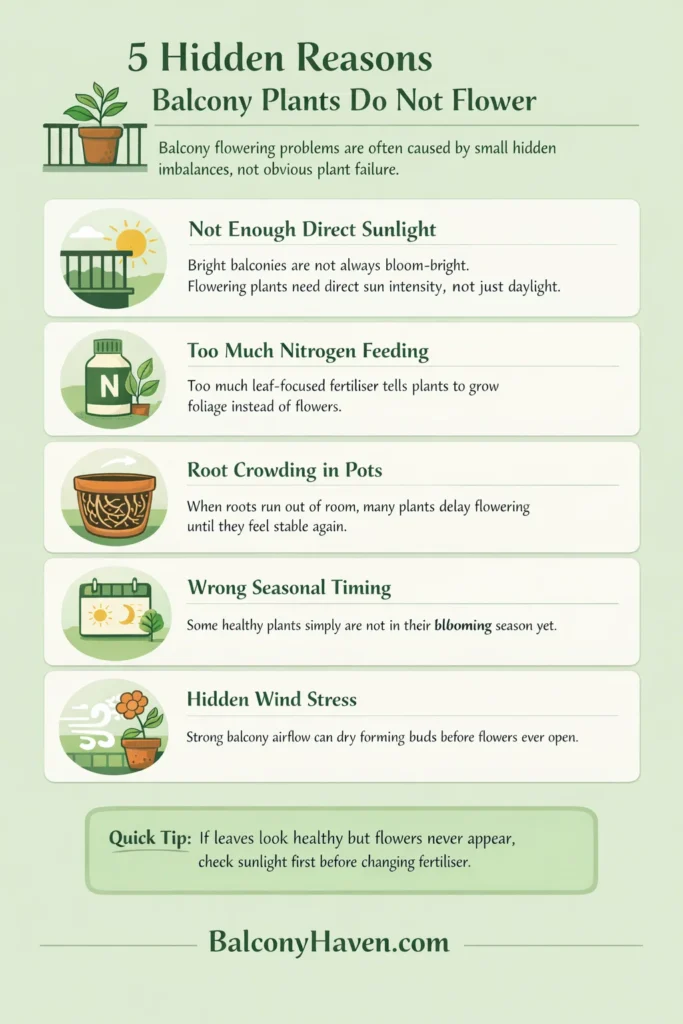
Balconies create unusual growing environments that can confuse flowering plants. A space may appear bright to human eyes, but still not provide enough direct sunlight intensity for bloom production. Reflected heat from walls can make temperatures rise too quickly in the afternoon, while railings and nearby buildings can shorten sunlight hours without being obvious.
Another hidden factor is container restriction. In pots, roots cannot explore freely, so the plant becomes more dependent on exact watering, feeding, and pot size balance. When roots feel cramped or unstable, many plants delay flowering because they are prioritising survival before reproduction.
Wind is another balcony-specific issue. Strong airflow may not damage leaves visibly, but it can dry delicate developing buds before they ever become flowers. This is especially common on upper-floor balconies where wind pressure is stronger than ground-level gardens.
Check Light Quality, Not Just Brightness
One of the most common reasons plants fail to flower is insufficient usable sunlight.
Many balcony gardeners assume that if a space feels bright, it should support flowering. But flowering plants do not measure brightness the way we do — they respond to direct sun duration, sun angle, and intensity. A balcony may receive several hours of filtered brightness yet still not trigger bloom signals.
For example, a tomato plant placed near a bright glass railing may seem well lit all day, but if direct sunlight only reaches it briefly in weak morning angles, flowering may stall. This is why understanding your real sunlight pattern matters more than guessing by eye.
If you are uncertain how much productive sun your balcony receives, our article on How to Measure Sunlight on a Balcony can help you assess it more accurately.
Too Much Nitrogen Can Keep a Plant Leafy
A plant with thick green leaves but no flowers is often receiving too much nitrogen.
Nitrogen encourages leafy growth. That is helpful early in a plant’s life, but once flowering should begin, too much nitrogen can keep telling the plant to produce stems and leaves instead of buds. This happens often when balcony gardeners use general-purpose fertilisers without realising they are heavily leaf-focused.
If your plant looks lush but refuses to bloom, look closely at your fertiliser balance. Switching to one designed for flowering plants, with more phosphorus and potassium, often helps redirect the plant toward bloom production.
In balcony gardening, overfeeding is more common than underfeeding because nutrients stay concentrated inside containers instead of dispersing into open soil.
Root Crowding Can Quietly Delay Flowers
A pot that is too small can stop flowering even when everything above the soil looks fine.
When roots begin circling tightly around the inside of a container, the plant may sense instability and postpone flowering. This is especially common in chillies, citrus plants, jasmine, and flowering vegetables grown long-term in undersized pots.
One sign of root crowding is when water runs through too quickly and soil dries much faster than before. Another clue is roots pushing out from drainage holes. If this happens, moving the plant into a slightly larger container may restore flowering once the roots settle again.
Unlike garden beds, balcony pots create hard limits, so root space becomes a much more important flowering factor than many gardeners realise.
Seasonal Signals Matter More Than People Expect
Sometimes a plant is not flowering simply because it is waiting for the right seasonal trigger.
Many species bloom only when day length changes, night temperatures cool, or weather patterns shift slightly. A healthy chilli plant may pause flowering during hot windy weather, then suddenly produce buds when temperatures soften. Jasmine and citrus often behave similarly.
This is why patience matters in balcony gardening. A plant may not be failing at all — it may simply be following its natural timing.
Hidden Wind Stress Can Interrupt Bud Formation
Wind affects flowering in ways that are easy to miss.
Even when leaves appear healthy, strong balcony airflow can dry tiny forming buds before they develop properly. Some plants respond to constant wind by staying in protective growth mode, producing leaves instead of flowers because they sense unstable conditions.
This is particularly common in exposed balconies near railings or corners where air funnels strongly. Moving a plant slightly inward, where airflow is softer, can sometimes trigger flowering within weeks.
This same pattern affects flowering fruit crops too, as seen in Can Chili Plants Grow on a Windy Balcony, where wind stress often reduces bloom production before gardeners notice visible damage.
Small Balcony Conditions Can Change Flowering Behaviour
Not all balconies delay flowering for the same reason.
| What You Notice | Likely Cause | What to Check |
|---|---|---|
| Healthy leaves, no buds | Too much nitrogen | Fertiliser type |
| Buds form then fall off | Wind stress | Balcony airflow exposure |
| Plant small but leafy | Pot too small | Root crowding |
| No flowers in bright balcony | Not enough direct sun hours | Sun duration timing |
| Seasonal plant not blooming | Wrong season trigger | Temperature pattern |
On small enclosed balconies, heat can build up quickly and cause flower buds to dry before opening. On shaded balconies, plants may survive comfortably but never receive enough sunlight energy to bloom. West-facing balconies often create afternoon heat spikes that interrupt pollination, while semi-enclosed balconies may reduce airflow so much that flowering vegetables struggle to self-pollinate properly.
This is why copying garden advice rarely works perfectly in balcony spaces. Flowering success depends heavily on the unique microclimate your balcony creates.
Practical Adjustments That Often Restart Flowering
In many cases, small changes work better than dramatic ones.
Rotating pots every few days helps expose all sides of the plant evenly to sunlight, especially where light enters from one direction only. Reducing nitrogen-heavy feeding for a short period often helps flowering plants shift priorities away from leaf growth. Keeping watering consistent is also important, because sudden swings between dryness and over-watering can interrupt bloom signals.
Dust on leaves is another overlooked issue. On balconies near roads, dusty leaves reduce light absorption, which weakens flowering energy over time. Simply wiping leaves clean occasionally can improve plant performance more than many people expect.
Common Mistakes That Accidentally Prevent Flowers
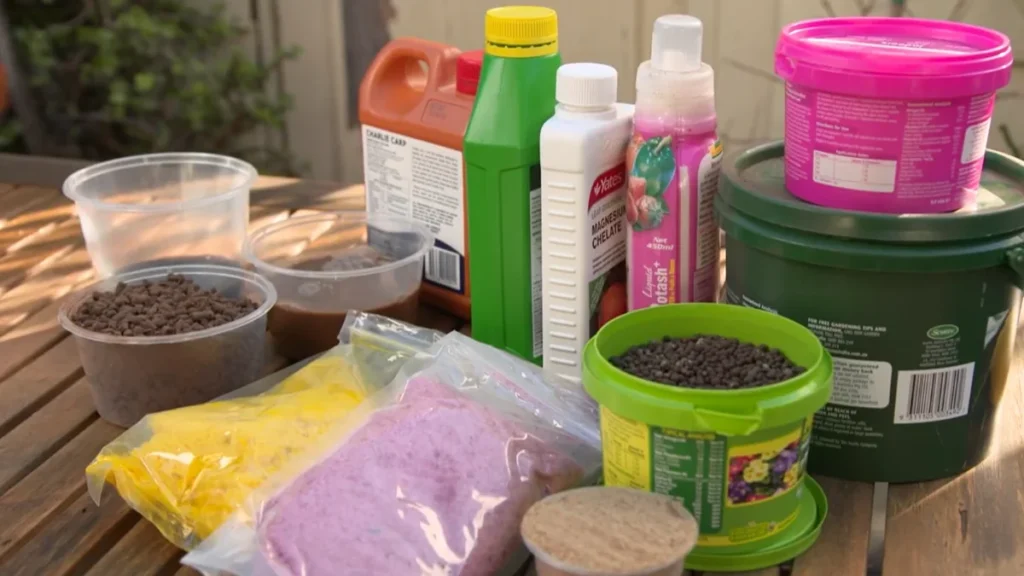
One of the most common mistakes is assuming that more fertiliser will solve everything. In reality, too much feeding often delays blooms further.
Another frequent problem is moving plants too often. When a plant is repeatedly shifted between sun and shade, it spends energy adjusting instead of settling into flowering rhythm. Over-watering is equally harmful, especially in large pots that stay wet too long and reduce root oxygen.
Some gardeners also prune too aggressively while waiting for blooms, accidentally removing developing buds before they become visible flowers.
Balcony Haven Note
I have often noticed that plants begin flowering just after conditions become slightly less comfortable, not more comfortable. A plant that seems perfectly happy producing leaves may simply feel no urgency to reproduce yet, while a small seasonal change — cooler nights, softer heat, or less nitrogen — suddenly triggers blooming.
That pattern is often closely linked with fruit production too. If your plant eventually flowers but still does not produce properly afterward, our article on Why Are My Balcony Plants Growing but Not Producing Fruits? explains what may be happening in the next stage.
Frequently Asked Questions
Should I remove leaves if my plant is not flowering?
Usually no. Healthy leaves create the energy needed for flowering, so removing too many can slow bloom development further.
Can over-watering stop flowering?
Yes. Over-watered roots become stressed and oxygen-starved, which often delays or prevents blooming.
Why does my plant make buds but then drop them?
This often happens because of wind stress, sudden heat spikes, or inconsistent watering patterns.
Can young plants take time before first flowering?
Yes. Some species must reach maturity before flowering begins, even under ideal conditions.
Final Thoughts
When my plant is not flowering on a balcony, the cause is rarely one obvious mistake. More often, it comes from a small imbalance in sunlight, pot space, fertiliser balance, airflow, or seasonal timing — factors that can easily go unnoticed in compact growing spaces.
The encouraging part is that balcony flowering problems are often simple to correct once the hidden cause is identified. A small change, such as improving sunlight exposure or adjusting feeding, can quickly help a healthy plant shift from leafy growth into blooming.
In balcony gardening, flowers often appear not when everything looks perfect to us, but when the plant finally feels its environment is balanced enough to begin its next stage.
Happy Balcony Gardening!
Leave a Reply