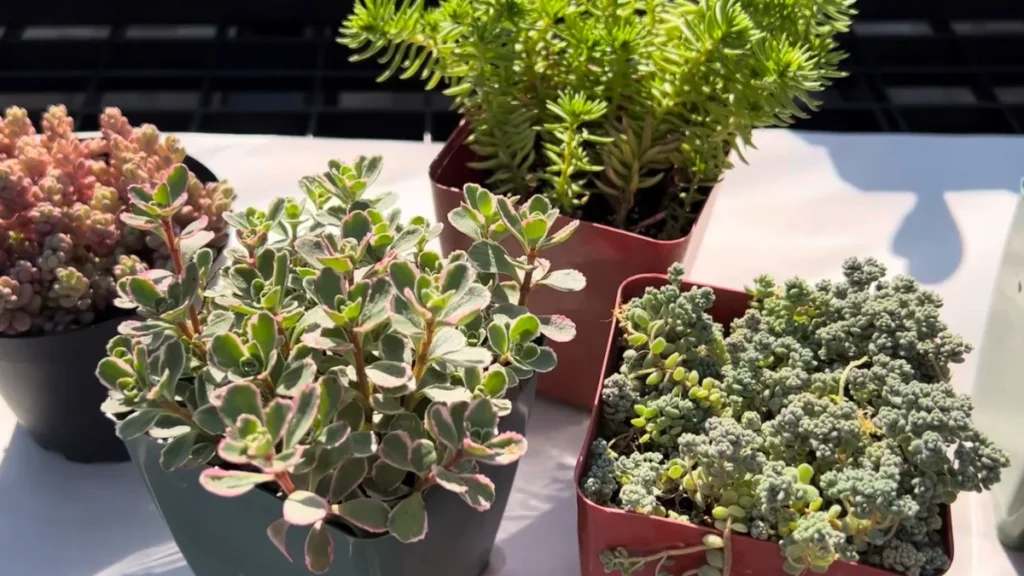
Succulents are famous for surviving dry soil and strong sunlight, which makes many people assume they can simply live outdoors without much attention. But balconies create a slightly different environment from gardens. Heat reflects from walls, wind can dry soil faster than expected, and containers heat up much more quickly than ground soil.
Many succulents can stay outside on a balcony as long as they receive good light and grow in well-draining containers. Balcony-friendly options include aloe, sedum, echeveria, jade plants, and sempervivum because they tolerate sun, dry soil, and changing outdoor conditions better than most succulents.
The best choice still depends on your balcony’s sunlight, wind exposure, and pot drainage, since container environments behave differently from garden soil.
This guide explains what succulents can stay outside on a balcony, how to choose the right ones, and how to keep them stable through wind, sun, and changing temperatures. Instead of listing every succulent species, we’ll focus on balcony-friendly types that tolerate container life and outdoor conditions.
Table of Contents
Balcony-Specific Constraints
Succulents naturally grow in dry climates, but balconies introduce conditions that don’t exist in open landscapes.
Space is usually limited, which means succulents are grown in containers rather than the ground. Containers heat and cool quickly, so root temperature changes faster than it would in a garden bed.
Wind is another major difference. High balconies often experience stronger airflow, which can dry soil quickly and knock over lightweight pots. In fact, wind exposure is one of the most common reasons outdoor plants struggle in apartments. If your balcony gets frequent gusts, plants that tolerate airflow tend to perform better — similar to those discussed in What Are the Best Plants for a Windy Balcony?.
Sun direction also changes plant behaviour. A west-facing balcony might receive intense afternoon heat, while a north-facing balcony may receive steady but milder sunlight. Understanding your balcony’s light pattern helps you choose succulents that won’t burn or stretch toward light. If you’re unsure about your balcony’s exposure, learning How to Measure Sunlight on a Balcony can make plant choices much easier.
Finally, drainage matters more in apartments because excess water cannot spill freely like it does in gardens. Good pot drainage prevents many succulent problems.
Succulents That Can Stay Outside on a Balcony
Some succulents adapt extremely well to outdoor containers. The key is choosing varieties that tolerate sunlight changes, airflow, and container soil conditions.
| Succulent | Sun Tolerance | Balcony Strength | Why It Works Outdoors |
|---|---|---|---|
| Aloe | Full sun to partial sun | Heat tolerant | Stores water well and adapts to outdoor containers |
| Sedum | Full sun | Wind tolerant | Naturally grows in rocky, exposed environments |
| Echeveria | Bright light / morning sun | Compact growth | Works well in small balcony pots |
| Jade Plant | Full sun to partial sun | Durable leaves | Handles sun, dryness, and container life |
| Sempervivum | Full sun | Temperature resilient | Naturally survives changing outdoor conditions |
Aloe (Aloe species)
Aloe plants are among the most balcony-friendly succulents because they tolerate sunlight, dry soil, and occasional wind.
They grow upright rather than spreading, which means they work well in small containers. Aloe leaves also store water efficiently, so the plant remains stable even if watering is slightly irregular.
Aloe plants also show clear signals when conditions change. Leaves may turn slightly brown or reddish under strong sunlight, which often means the plant is adapting rather than failing.
Sedum (Stonecrop)
Sedum varieties are extremely adaptable and often grow naturally in rocky environments.
Many sedum types stay compact, which makes them ideal for small balcony pots or shallow containers. They also tolerate poor soil conditions better than most succulents.
Trailing sedum varieties are particularly useful because they can spill over the edge of balcony planters without needing much depth.
Echeveria
Echeveria is one of the most recognisable succulent types due to its symmetrical rosette shape.
These plants prefer bright light but usually tolerate outdoor balconies well if the sun is not extremely intense during the afternoon. Morning sun or filtered light works especially well.
Echeveria also grows slowly, which makes it suitable for balconies where frequent repotting would be inconvenient.
Jade Plant (Crassula ovata)
Jade plants are often grown indoors, but they actually perform very well outdoors in containers.
They handle sunlight, occasional dryness, and moderate wind better than many delicate succulents. Over time, jade plants can become small woody shrubs, which adds structure to balcony plant arrangements.
Because jade plants grow slowly, they are also beginner-friendly and forgiving if watering schedules vary slightly.
Sempervivum (Hens and Chicks)
Sempervivum is one of the toughest succulents available.
These plants naturally grow in mountainous regions where temperatures fluctuate, which makes them surprisingly resilient in outdoor containers. They spread by producing small “chicks” around the main plant, slowly filling the pot.
Their compact growth also makes them useful for shallow containers or small balcony planters.
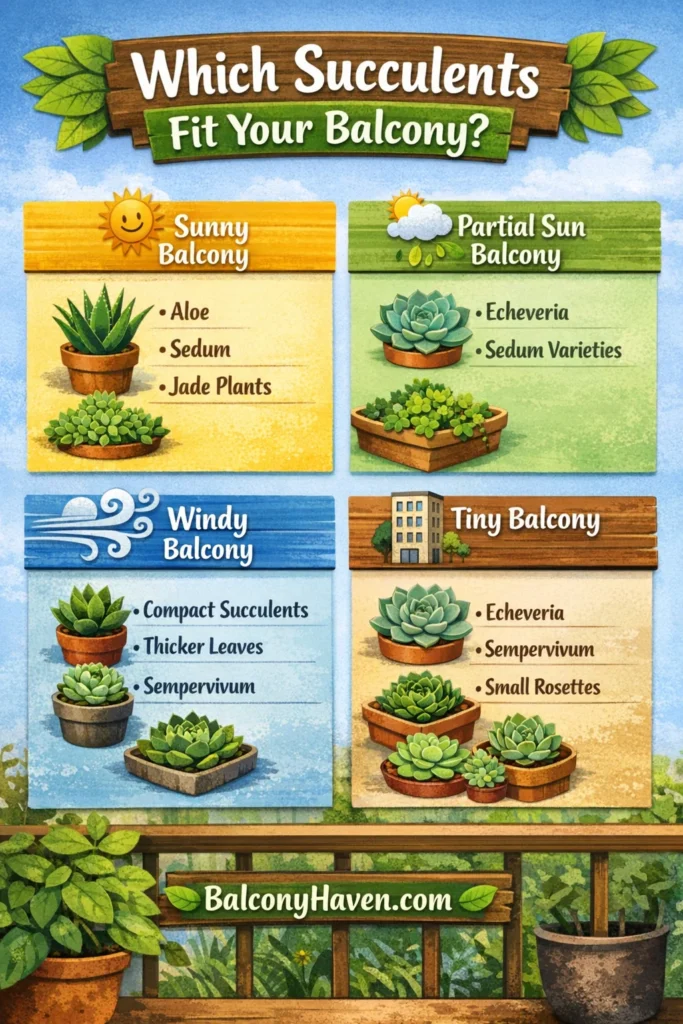
Choosing the Right Succulent for Your Balcony
Not all balconies are the same. The best succulent depends heavily on your local conditions.
Practical Tips for Growing Outdoor Balcony Succulents
Even resilient succulents benefit from small adjustments that improve stability in container environments.
• Use pots with drainage holes so water cannot collect around the roots.
• Choose slightly heavier pots to prevent wind from tipping them over.
• Place succulents where they receive steady sunlight rather than sudden midday heat.
• Water thoroughly but less frequently, allowing soil to dry between watering.
• Group succulents together to create small “microclimates” that reduce drying from wind.
• Use a light, well-draining soil mix rather than dense garden soil.
These adjustments help succulents adapt to containers where soil dries faster than expected. Soil behaviour is one of the biggest differences between containers and garden beds, which is why understanding Balcony Soil Drying Out Too Fast (What Actually Helps) can prevent many watering mistakes.
Common Mistakes When Keeping Succulents Outside
Outdoor succulents are generally easy to care for, but several mistakes can cause problems.
• Using heavy garden soil that traps water
• Placing delicate succulents in intense afternoon sun too quickly
• Watering frequently even when soil is still damp
• Using extremely small pots that heat up quickly
• Ignoring wind exposure on high balconies
Seasonal Context That Matters
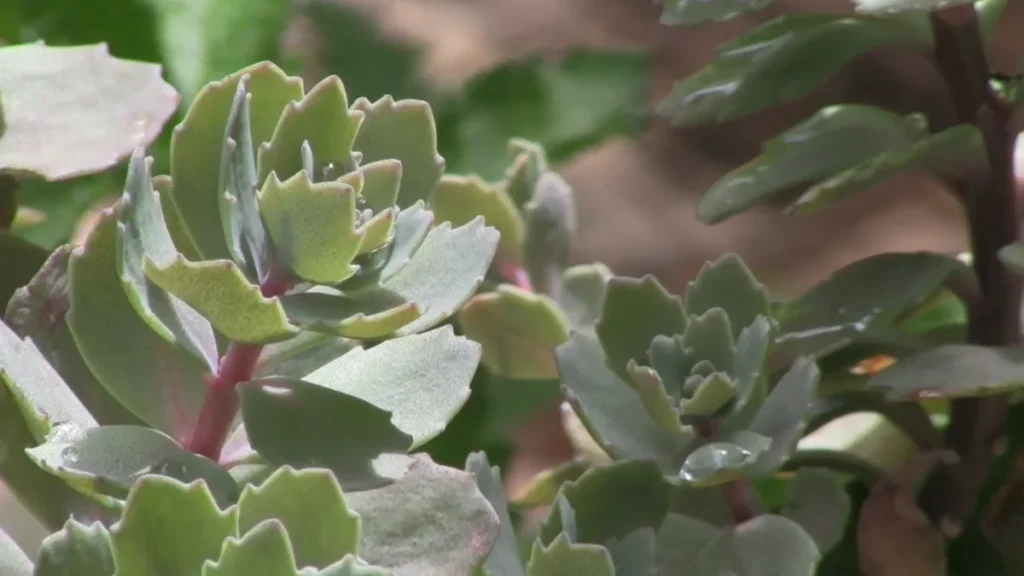
Succulents respond strongly to seasonal changes, even in containers.
During warm months, sunlight is stronger and pots heat up faster. This can accelerate growth but also increase evaporation. Plants may need slightly more frequent watering during hot weather.
In cooler seasons, many succulents slow their growth naturally. Watering can be reduced, and some species prefer drier soil during colder months.
Balcony Haven Note
One thing I’ve noticed with balcony succulents is that they often succeed not because they are “low maintenance,” but because they tolerate small mistakes better than most plants.
Many balcony gardeners start with succulents while learning how their space behaves — how sunlight moves across the railing, how wind changes during the afternoon, and how quickly pots dry after watering.
FAQ
Can succulents stay outside all year on a balcony?
In many mild climates they can, but extremely cold winters may require bringing some succulents indoors temporarily.
Do outdoor succulents need direct sunlight?
Most succulents prefer bright light, but some varieties grow better with partial sun rather than intense afternoon heat.
Can rain damage succulents in balcony pots?
Occasional rain is usually fine, but heavy rain can keep soil wet for too long. Good drainage prevents most problems.
Do succulents grow well in small balcony containers?
Yes, many succulents naturally stay compact and adapt well to container life as long as drainage is good.
Final Thoughts
Succulents are one of the most forgiving plant groups for balcony gardening. Their ability to store water, tolerate sunlight, and adapt to container life makes them ideal for apartment spaces.
The key is not simply choosing “any succulent,” but selecting varieties that match your balcony’s sunlight, wind exposure, and container setup.
Once you find the right combination, succulents often become some of the most stable and low-stress plants on a balcony.
Happy Balcony Gardening!
Leave a Reply