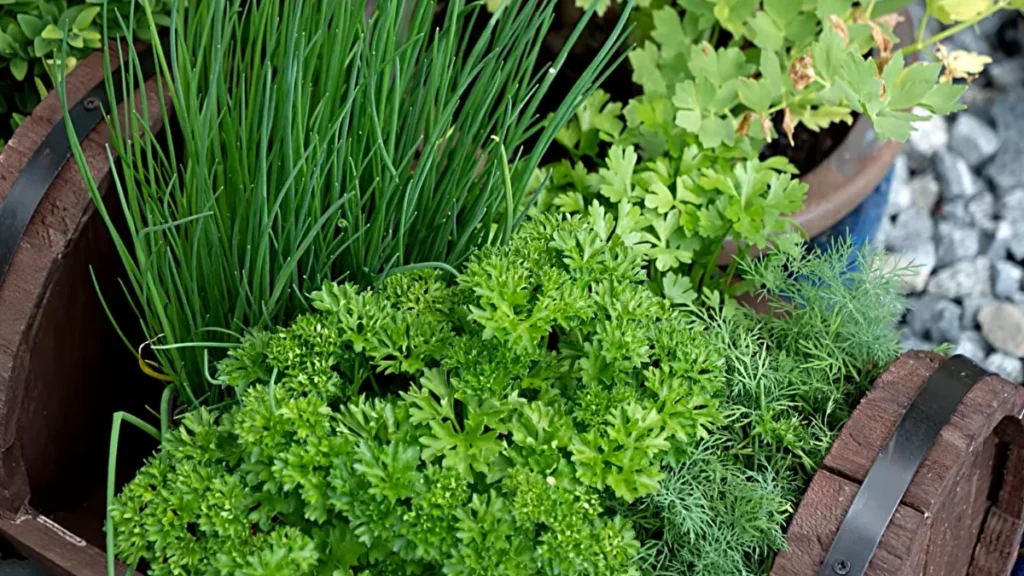
Balcony herbs can look healthy, grow new leaves, and still lose their smell or flavour. This often feels confusing because everything appears “right” at first — green leaves, steady growth, and regular watering — yet the herbs no longer taste or smell the way they should.
Balcony herbs losing smell or flavour usually happens when the plant produces fewer natural oils due to limited sunlight, fast growth, or mild stress conditions. On balconies, these conditions are common because light angles, container space, and airflow behave differently from garden environments.
This issue keeps showing up because balconies often create “comfortable but incomplete” growing conditions. Herbs survive and grow, but they don’t always reach the stage where they concentrate flavour. Advice from ground gardens also doesn’t fully apply, which adds to the confusion.
This article will help you understand why herbs lose their smell or taste on a balcony, what is actually happening inside the plant, and why it is more about conditions than skill or care.
Table of Contents
Balcony Reality Check (Why Herbs Behave Differently Here)
On a balcony, herbs are not growing in open soil with stable sunlight and airflow. Instead, they are adapting to shifting light, reflected heat from walls, and limited root space.
Sunlight rarely stays consistent. Buildings block or reflect it, turning what looks like “bright light” into softer, indirect exposure. Wind can also move through in bursts rather than gently, and containers limit how deeply roots can explore.
All of this creates a situation where herbs grow, but not always fully express their natural oils — the part responsible for smell and flavour.
What Most Advice Misses About Flavour Loss
Most gardening advice assumes herbs grow in steady outdoor conditions. In those environments, strong sunlight and natural stress help herbs develop oils that create taste and aroma.
On balconies, the opposite often happens. Conditions become “too comfortable” — enough for leaves to grow, but not enough to trigger strong flavour production.
What is rarely explained is this:
Flavour in herbs is not just about growth — it is about how the plant responds to its environment.
When that response is muted, flavour fades.
Why Balcony Herbs Lose Smell or Flavour
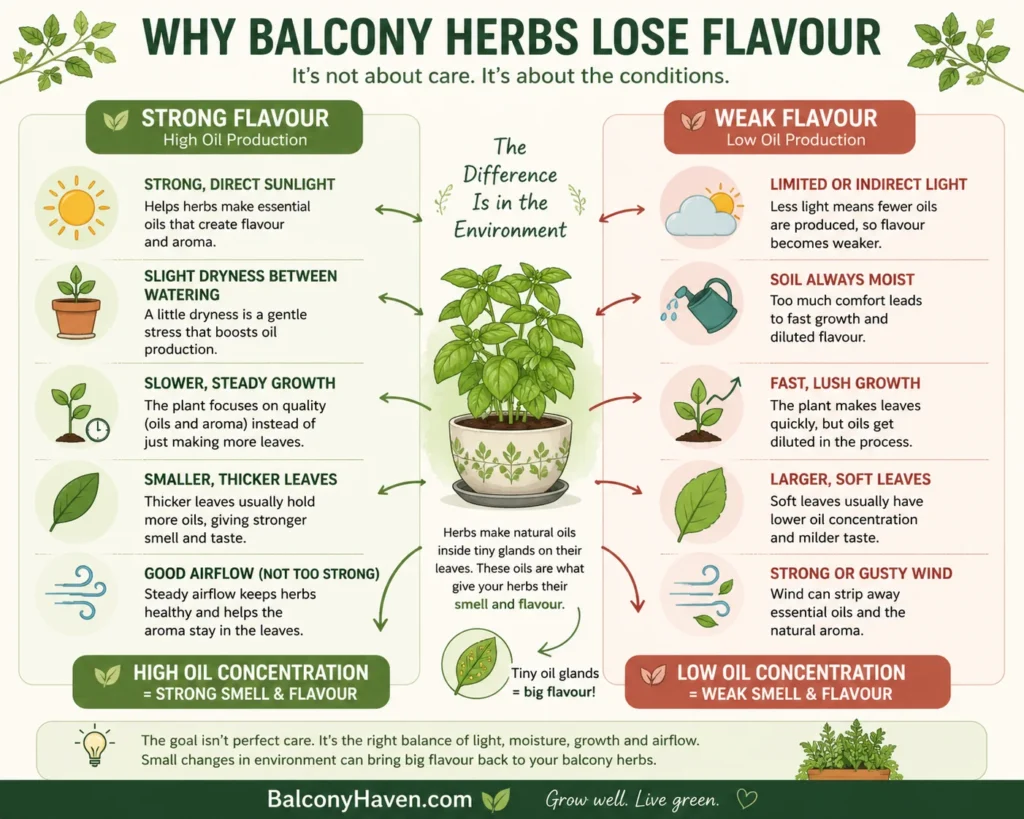
Mild Light Creates Soft, Less Aromatic Growth
Herbs develop stronger flavours when exposed to consistent, direct sunlight. On balconies, light often arrives at angles or gets filtered through nearby buildings.
This leads to softer leaf growth. The plant focuses on expanding surface area rather than producing oils. The result is herbs that look full but smell faint.
If your setup is similar to lower-light environments, you may notice this effect more clearly, especially compared to setups discussed in “Best Plants for a North Facing Balcony” .
Fast Growth Dilutes Flavour
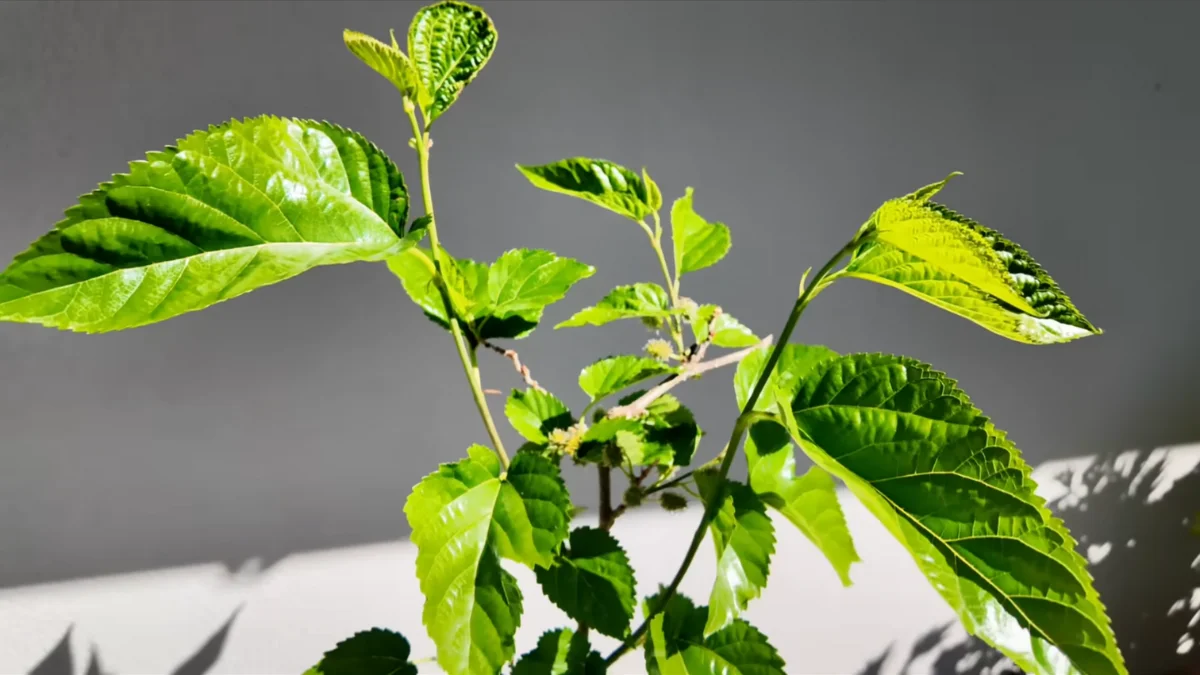
When herbs grow quickly — often due to regular watering and mild conditions — their leaves can become larger but less concentrated.
Think of it like stretching flavour across more space. The plant produces leaves faster than it produces oils, so the taste becomes weaker.
This is common on balconies where watering is frequent or soil stays consistently moist, similar to conditions described in “How to Keep Soil Constantly Moist on a Balcony” .
Lack of Natural Stress Reduces Oil Production
Herbs naturally develop stronger flavours when they experience small amounts of stress — such as heat, wind, or slightly drier soil.
Balconies sometimes remove this balance. Either conditions are too gentle, or stress comes in sudden bursts (like strong wind), which doesn’t help steady oil production.
Without that steady pressure, herbs remain mild in both smell and taste.
Container Limits Affect Flavour Intensity
Roots in pots behave differently than roots in the ground. When space is limited, plants prioritise survival and steady growth.
They may not invest as much energy into flavour compounds because they are focused on maintaining balance within the container.
This is similar to how growth patterns shift in confined spaces, as seen in “Best Soil Mix for Balcony Herb Gardens” .
Wind Can Strip Aroma Before You Notice It
On some balconies, especially higher floors, wind does more than move plants — it can disperse the natural oils released by leaves.
This makes herbs seem less fragrant even if they are producing some oils. The smell simply doesn’t linger.
| What You See on Your Balcony | What It Actually Means |
|---|---|
| Big, soft leaves | Fast growth, diluted flavour |
| Healthy green colour | Enough nutrients, not necessarily flavour |
| No strong smell when touched | Low oil production |
| Fast regrowth after cutting | Energy focused on growth, not oils |
| Soil always moist | Less stress, weaker flavour |
Practical Insights (What Actually Matters Most)
Even though this isn’t about fixing step-by-step, a few key observations help explain what matters:
- Herbs grown in steady, direct light tend to develop stronger aroma
- Slower growth often leads to more concentrated flavour
- Slight dryness between watering can support stronger oil production
- Smaller, tougher leaves often smell stronger than large, soft ones
- Balanced exposure matters more than “perfect care”
Common Misunderstandings About Herb Flavour
Many balcony gardeners assume flavour loss means something is wrong, but that is not always the case.
- Healthy-looking herbs can still have weak flavour
- More water does not improve taste — it can dilute it
- Bigger leaves are not always better for cooking
- Indoor-style conditions can reduce aroma outdoors
- Wind does not always strengthen plants — it can reduce scent
Local & Seasonal Context
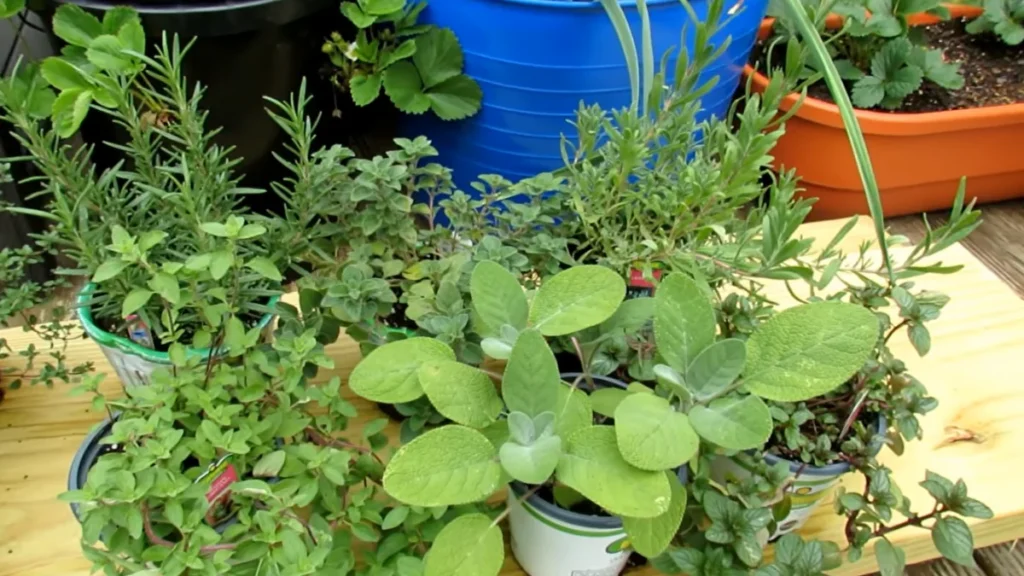
In warmer places like Brisbane, herbs can grow quickly for most of the year. This rapid growth sometimes leads to milder flavour because the plant focuses on producing leaves rather than oils.
During hotter periods, reflected heat from balcony surfaces can also change how herbs behave. Some plants may slow down oil production to cope with temperature stress, especially when combined with limited root space.
Seasonal shifts are less about stopping growth and more about changing how flavour develops.
Balcony Haven Note
From what I’ve seen, two balconies in the same building can grow completely different-tasting herbs. One might produce strong, fragrant leaves, while the other feels almost scentless — even with similar care. It often comes down to how light moves across the space and how the air feels throughout the day.
If you’ve noticed your herbs growing well but lacking flavour, it’s often worth observing how your setup compares to others. You might also notice similar patterns in articles like “Why Basil Dies on Windy Balconies” or “Best Herbs for Balconies With 3 Hours of Sun”, where small environmental differences create surprisingly different outcomes.
Frequently Asked Questions
Why do my herbs smell strong in the garden but not on my balcony?
In open gardens, herbs receive more consistent sunlight and natural stress, which helps them produce oils. Balconies often soften these conditions, leading to milder aroma.
Can herbs regain their flavour over time?
Yes, if conditions change. When herbs experience stronger sunlight or slower growth, they may begin producing more oils again.
Do certain herbs lose flavour more easily?
Soft-leaf herbs like basil and coriander tend to lose flavour faster in mild conditions, while tougher herbs like rosemary hold their aroma longer.
Does pot size affect flavour?
It can. Smaller pots limit root activity, which can reduce how much energy the plant puts into flavour compounds.
Is it normal for new leaves to have less smell?
Yes, newer leaves often have milder aroma. As they mature, flavour may become more noticeable.
Final Thoughts
When balcony herbs lose their smell or flavour, it is rarely a sign of failure. More often, it reflects how the plant is responding to its environment — especially light, growth speed, and container conditions.
Flavour is not just about keeping herbs alive. It is about how the plant balances growth with its surroundings. On balconies, that balance shifts easily, which is why results can feel unpredictable.
The encouraging part is that even small changes in conditions can bring flavour back. In balcony gardening, it is often the subtle differences — not major changes — that shape how plants truly perform.
Happy Balcony Gardening!
Leave a Reply