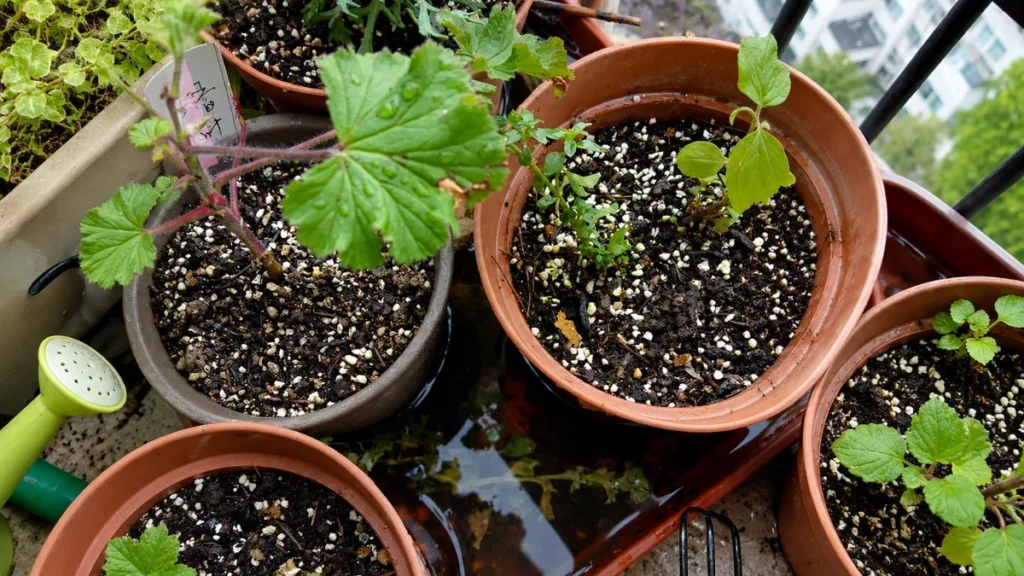
The most common balcony gardening mistakes are choosing plants that do not suit your balcony, misunderstanding sunlight, watering too often, using the wrong pots, overcrowding plants, and trying to do too much at once. Most of these mistakes are easy to fix once you understand that a balcony is its own small growing environment.
Balcony gardening looks simple at first. You buy a few plants, put them in pots, water them, and expect them to grow. But balconies can be surprisingly difficult growing spaces. Sunlight can change throughout the day, wind can dry pots quickly, walls can reflect heat, and containers behave very differently from garden soil.
The good news is that you do not need to avoid every mistake. Making a few mistakes is part of learning. What matters is recognising the problems early and adjusting how you grow.
1. Choosing Plants Before Understanding Your Balcony
One of the easiest mistakes to make is choosing plants because you like them rather than because your balcony can actually support them.
A sunny-looking balcony may receive only two or three hours of direct sun. Another balcony may receive strong afternoon sun that becomes much hotter than expected because nearby walls and windows reflect heat.
Before buying plants, spend a few days watching your balcony.
Pay attention to:
- when direct sunlight first reaches the balcony
- how many hours the sun stays
- whether the strongest sun comes in the morning or afternoon
- how windy the balcony becomes
- whether rain reaches your pots
- whether buildings or walls create shade
Once you know these conditions, choosing plants becomes much easier.
If you are unsure about your light conditions, my guide on how much sun a balcony garden needs explains a simple way to work it out.
Why this mistake causes so many other problems
A plant growing in unsuitable conditions can look like it has a watering, soil, or fertiliser problem when the real problem is simply its location.
For example, a sun-loving plant in deep shade may become tall and weak. A shade-loving plant placed in harsh afternoon sun may repeatedly wilt or develop damaged leaves.
Before changing everything else, always ask whether the plant is actually suitable for the place where you are growing it.
2. Assuming Every Balcony Gets the Same Kind of Sun
Another mistake is treating all sunlight as equal.
Three hours of gentle morning sun can be very different from three hours of strong late-afternoon sun. A plant may handle the first situation perfectly but struggle badly in the second.
Balconies can also trap and reflect heat. Concrete floors, glass doors, brick walls, metal railings, and nearby buildings can make the area around your plants hotter than the air temperature shown in a weather app.
Watch the plant, not only the clock
Sunlight hours are useful, but your plants also tell you a lot.
Leaves that regularly droop during the hottest part of the afternoon may be experiencing heat stress. Plants that lean strongly toward the balcony edge may be searching for more light.
The goal is not simply to give plants “more sun.” It is to give each plant the right type and amount of light.
3. Watering Plants on a Fixed Schedule
Watering every plant every morning or every second day sounds organised, but it can create problems.
Balcony pots do not dry at the same speed.
A small terracotta pot sitting in afternoon sun may dry quickly, while a large plastic pot in shade can remain wet for several days.
Weather changes things too. A plant that needed water every day during a hot week may need much less after several cool or cloudy days.
Check the soil before watering
Instead of watering only because it is “watering day,” check what the plant actually needs.
Push your finger a little way into the potting mix. If the upper layer is still wet and the plant prefers normal moisture conditions, it may not need more water yet.
You can also learn the weight of your pots. A freshly watered container feels noticeably heavier than one that has started drying.
For beginners who are still learning this balance, the guide on balcony watering methods for beginners goes into this in more detail.
4. Thinking Wilting Always Means a Plant Is Thirsty
This mistake deserves its own section because it can quickly turn a small problem into a bigger one.
You see a drooping plant and immediately add water.
Sometimes that is exactly what the plant needs. But not always.
Plants can also wilt because their roots are sitting in soil that is too wet. When roots cannot get enough oxygen, they may struggle to take up water properly even though plenty of moisture is present.
Heat can also cause temporary afternoon wilting.
Before watering a wilted plant, check the soil.
Dry soil plus wilting usually points toward thirst. Wet soil plus wilting means you should investigate before adding more water.
I cover this confusing situation separately in why balcony plants can wilt even when the soil is wet.
5. Using Pots That Are Too Small
A tiny pot may look neat on a small balcony, but it can make gardening much harder.
Small pots contain less soil, which means they usually:
- dry out faster
- heat up faster
- give roots less room
- require more frequent watering
- become unstable with larger plants
This does not mean every plant needs a huge container. The pot simply needs to match the mature size and root system of the plant.
Do not judge pots only by appearance
A decorative pot might look perfect in a shop but still be unsuitable if it has poor drainage, is too shallow, or becomes extremely hot in direct sun.
Think about the plant first and the appearance second.
If you are unsure, see my guide to choosing pots for balcony gardening.
6. Ignoring Drainage
Good drainage is one of the simplest parts of container gardening, but it is also one of the easiest to overlook.
Most balcony plants should not sit in waterlogged soil for long periods.
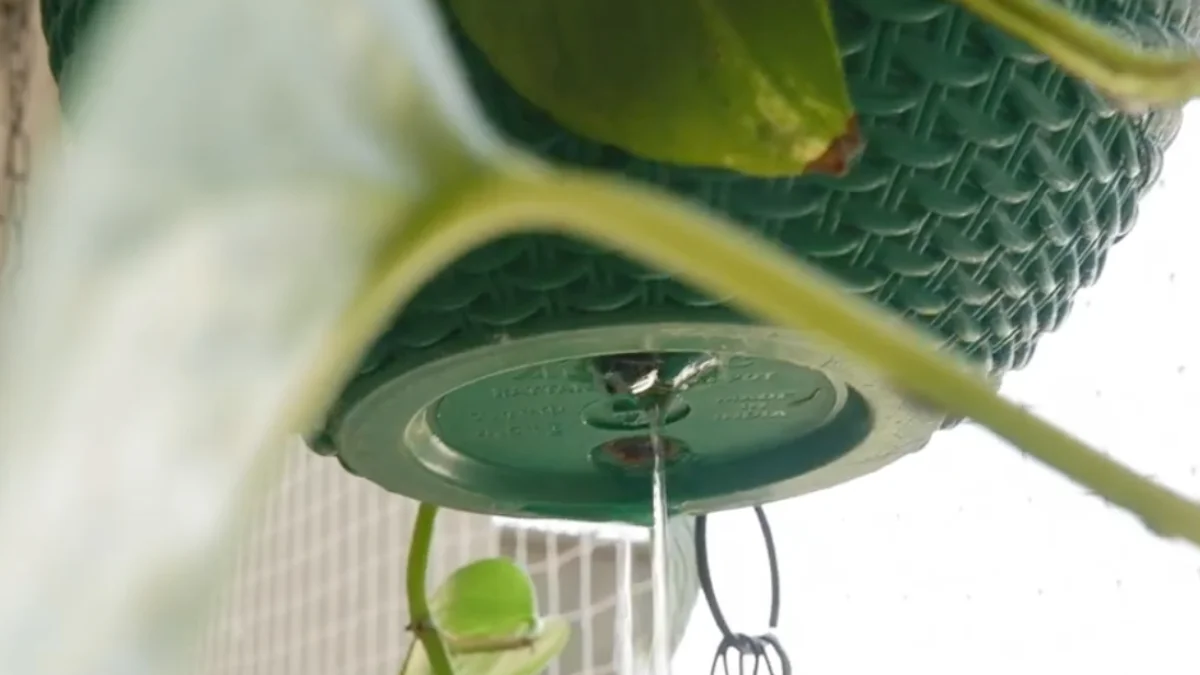
Make sure excess water can escape from the bottom of the pot. Check drainage holes occasionally because compacted potting mix, roots, or debris can block them.
If you use saucers underneath your pots, watch how much water collects in them.
A saucer is useful for controlling runoff on a balcony, but it should not automatically become a permanent pool of water around the bottom of the pot.
7. Filling the Balcony With Too Many Plants Too Quickly
This is a very understandable mistake.
You start with two plants. Then you see another herb you want to grow. Then tomatoes. Then strawberries. Then flowers. Before long, almost every available space contains a pot.
A balcony filled with plants can look beautiful, but overcrowding can make gardening more difficult.
It may:
- reduce airflow between plants
- make watering awkward
- shade smaller plants
- make pests harder to notice
- make cleaning difficult
- leave little room for you to actually enjoy the balcony
Leave some empty space
You do not need to fill every corner.
Empty space can actually make a balcony garden feel calmer and more organised. It also gives you somewhere to move plants when weather conditions change.
A balcony garden should still feel like a balcony you can use, not simply an outdoor storage area for pots.
8. Planting Everything at the Same Height
When every pot sits on the floor, smaller plants can easily become shaded by larger ones.
This is especially important on balconies where sunlight enters from only one direction.
Use different heights where it makes sense.
You might place taller plants toward the back, medium plants in front of them, and smaller herbs or flowers where they still receive light.
Plant stands, shelves, hanging pots, railing planters, and vertical supports can help, but they should always be secure and suitable for your balcony.
9. Forgetting About Wind
Wind is often underestimated when people first start balcony gardening.
At ground level, a day may feel only slightly breezy. Several floors higher, the same weather can feel very different.
Strong or constant wind can:
- dry potting mix quickly
- damage large leaves
- break young stems
- knock over lightweight pots
- make plants lose moisture faster
Do not automatically block every bit of wind, though. Some airflow is healthy. The bigger problem is usually strong, persistent wind that physically stresses the plant.
If your balcony is exposed, choose stronger plants, protect vulnerable seedlings, and make sure pots cannot easily fall or blow over.
10. Using Garden Soil Instead of Potting Mix
Soil taken directly from the ground may seem like the obvious thing to put in a pot, but containers need different growing conditions.
Garden soil can become heavy and compacted inside a container. This can reduce the amount of air around the roots and make drainage harder.
A good-quality potting mix is usually a better starting point for balcony containers because it is designed to hold moisture while still allowing excess water to drain.
Different plants may need slightly different mixes, but the important point is this: roots in containers need both water and air.
11. Adding Too Much Fertiliser
When a balcony plant is growing slowly, adding more fertiliser can feel like an easy solution.
But more fertiliser does not always mean more growth.
Too much can damage roots, cause salt to build up in the soil, or encourage soft leafy growth when what you actually want is flowers or fruit.
Before fertilising a struggling plant, check the basics first:
- Does it receive suitable sunlight?
- Is the soil too wet or too dry?
- Is the pot large enough?
- Are the drainage holes working?
- Is the plant suffering from extreme heat or wind?
Fixing the growing conditions may help more than adding another product.
12. Changing Too Many Things at the Same Time
This is one of the most useful lessons in balcony gardening.
If a plant looks unhappy, it is tempting to water it, move it, fertilise it, change the soil, prune it, and spray it all on the same day.
The problem is that you will not know which change helped. You may also put the plant under even more stress.
Change one important thing and observe
Unless there is an urgent problem, make the most likely correction first and watch how the plant responds.
For example, if the soil has stayed soaked for several days, focus on drainage and watering rather than immediately adding fertiliser.
This slower approach teaches you much more about your plants.
13. Copying Advice Without Considering Your Own Balcony
One reason balcony gardening can be confusing is that two people can grow the same plant and get completely different results.
Someone might say, “My basil loves full sun,” while another gardener finds that their basil burns in the afternoon.
Both experiences may be true.
The balconies may have different temperatures, humidity, wind exposure, pot sizes, sunlight intensity, and watering habits.
Use gardening advice as a starting point, not as a rule that must work exactly the same everywhere.
Your own balcony eventually becomes your best guide.
14. Expecting Every Plant to Grow Perfectly
Not every plant you grow will succeed.
Sometimes a plant simply struggles with your conditions. Sometimes weather changes suddenly. Sometimes pests appear. Occasionally you may never know exactly what went wrong.
That does not mean your balcony garden is failing.
One useful approach is to notice which plants naturally perform well in your space and grow more of those.
If one herb constantly struggles while another grows happily with little effort, there is nothing wrong with choosing the easier plant.
Balcony gardening becomes much more enjoyable when you stop trying to force every plant to succeed.
15. Creating a Garden That Requires More Work Than You Can Give It
A garden can become difficult to maintain when you have too many thirsty plants, too many tiny pots, or plants scattered everywhere.
This is particularly noticeable during hot weather when several containers may need checking frequently.
Think about how much time you realistically want to spend gardening.
If you prefer something simple, fewer larger containers and plants suited to your conditions may work much better than dozens of small pots.
My guide on creating a low-maintenance balcony garden explains how to design the space so everyday care becomes easier.
A Simple Way to Avoid Most Balcony Gardening Mistakes
If you are new to balcony gardening, you do not need to remember dozens of rules.
Start with these five things:
- Understand your sunlight. Watch where and when direct sun reaches your balcony.
- Choose suitable plants. Match plants to the conditions you actually have.
- Use appropriate pots. Give roots enough space and make sure water can drain.
- Check before watering. Do not water automatically just because the calendar says you should.
- Start small. Learn how a few plants behave before filling the entire balcony.
These simple habits prevent many of the problems that beginners experience.
Do Not Be Afraid of Making Mistakes
There is a difference between avoiding unnecessary mistakes and trying to garden perfectly.
You will probably overwater something eventually. You may put a plant in the wrong place. You might buy a pot that turns out to be too small. Almost every gardener learns some lessons this way.
The useful part is noticing what happened.
Balcony gardening becomes much easier once you start paying attention to how your particular space behaves. After a while, you begin to know which corner stays wet, where afternoon heat becomes strongest, which pots dry first, and which plants are happiest there.
The biggest mistake is not making a mistake. It is continuing to treat every plant and every balcony the same after your garden is already showing you what it needs.
Leave a Reply